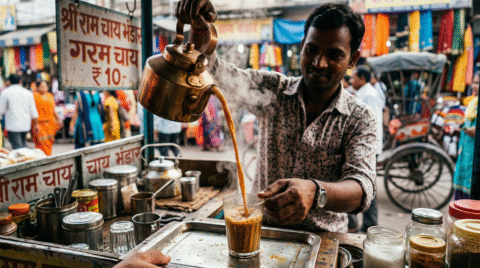
There is a reason tapri wali chai hits different. That strong, bold, full-flavoured cup of kadak chai is what most Indians actually crave when they think of chai. It is the one you get at a railway station at 6 am, at a roadside stall during a monsoon evening, or from that one uncle in your colony who has been making chai for thirty years.
But here is the frustrating part — most people try to recreate that magic at home and end up with a weak, watery, bland cup that tastes nothing like the original. If this sounds familiar, do not worry. The problem is not your skill. The problem is that nobody ever taught you the technique. Kadak chai is not about talent — it is about method.
Let me fix that right now.
What Does ‘Kadak’ Actually Mean?
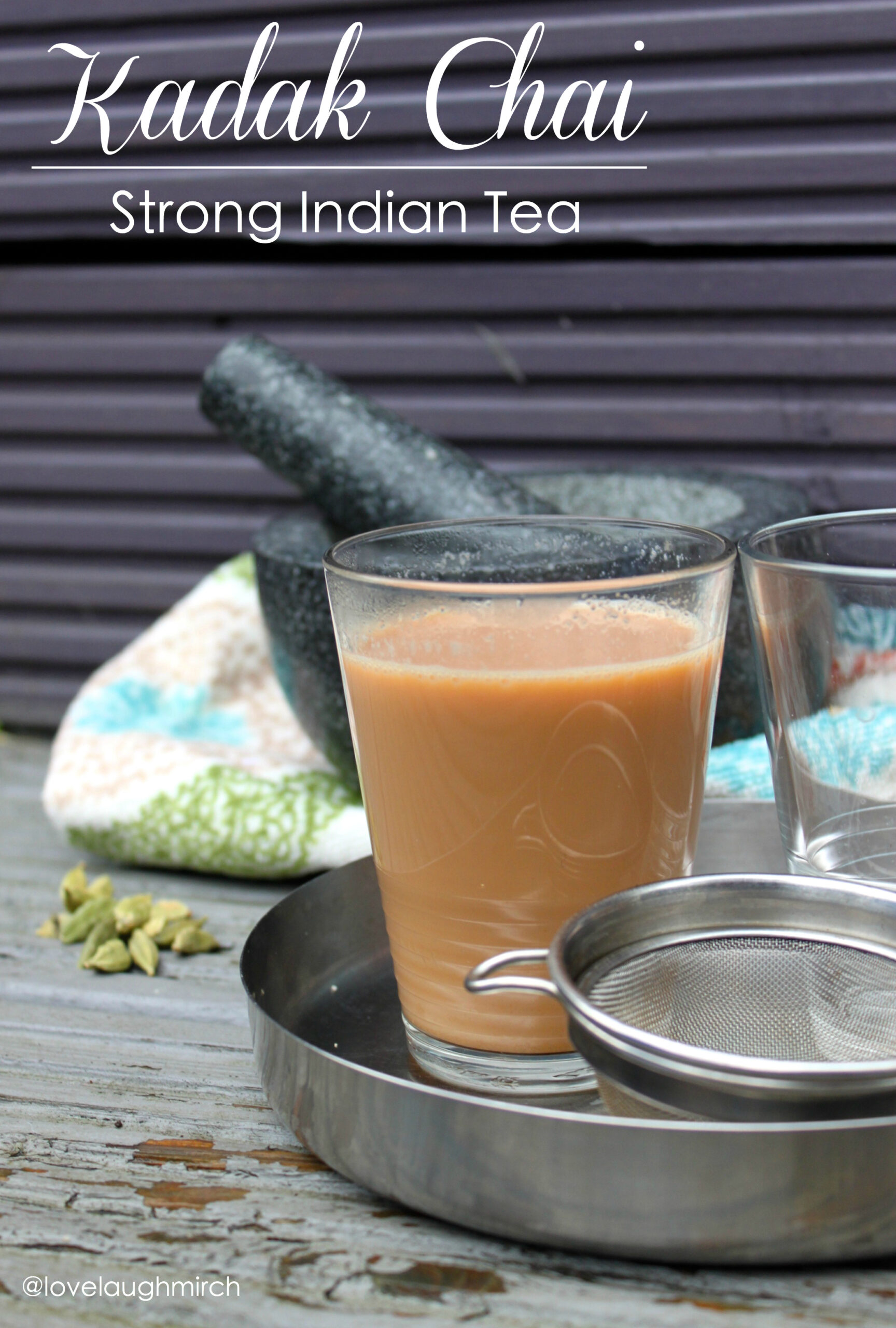
Kadak literally translates to “strong” in Hindi. But in the context of chai, it means something more specific. A kadak chai has:
- A bold, intense flavour that hits your palate immediately
- A deep, dark colour — almost mahogany brown
- Enough body and strength to stand up to plenty of milk and sugar without becoming thin
- A lingering aftertaste that stays with you for minutes after the last sip
It is not just about adding more tea leaves. You can dump five teaspoons of tea into a cup and still get a weak brew if you do not follow the right technique. Kadak chai is about extraction — pulling maximum flavour, colour, and strength from your tea leaves through proper boiling and simmering.
The 5 Secrets of Perfect Kadak Chai
1. Use the Right Tea Leaves — This Is Non-Negotiable
You need CTC (Crush, Tear, Curl) tea leaves. Not orthodox. Not green tea. Not those fancy whole-leaf varieties. CTC tea is specifically designed to give a strong, quick brew. The leaves are small, granular, and have a large surface area, which means they release their flavour rapidly into boiling water.
Assam CTC is the gold standard for kadak chai. The region produces tea that is naturally bold, malty, and full-bodied — exactly what you need. Avoid tea dust from unknown brands — it is often stale, low-grade, and produces a flat, bitter cup instead of a strong one.
The quality of your tea leaves matters more than anything else. You cannot make great kadak chai with mediocre tea. Period.
2. Do Not Skimp on the Boiling
This is the single biggest mistake people make at home. After adding tea leaves to water, most people let it barely bubble for a few seconds and then rush to add milk. That is not enough.
After adding tea leaves to boiling water, let it boil vigorously for at least 1-2 minutes. You will see the water turn from clear to a deep, dark brown. This is the extraction phase — the boiling water is pulling the flavour compounds, colour, and caffeine out of the tea leaves. If you cut this step short, you get weak chai, no matter how much milk or sugar you add later.
The water should be so dark that it looks almost like coffee before you add milk. That is when you know the extraction is complete.
3. Use Full-Cream Milk — No Substitutes
I know, I know. You are trying to be healthy. But toned or skimmed milk makes thin, disappointing chai. The fat in full-cream milk is what gives kadak chai its rich, thick, satisfying body. It coats your tongue, carries the flavour, and creates that creamy mouthfeel that makes a great cup of chai so comforting.
If you absolutely must use toned milk, add a spoon of fresh cream to compensate. But honestly, if you are going to the effort of making kadak chai, just use full-cream milk. One cup of chai with full-cream milk and a moderate amount of sugar is about 120-150 calories — that is not going to ruin your diet.
4. Simmer, Do Not Just Boil
This is the step that separates good chai from great chai. After adding milk to the boiled tea, do not just let it come to a boil and switch it off. Reduce the heat to low and let the chai simmer gently for 3-4 minutes.
This slow cooking is what gives kadak chai its depth. The flavours meld together, the milk reduces slightly and becomes creamier, and the tea develops a complexity that you simply cannot get from a quick boil. Watch the chai carefully — when it rises to the top of the pot, give it a gentle stir and let it rise two or three times before switching off.
Yes, this takes a few extra minutes. Yes, it is worth it. Every single time.
5. Add Spices at the Right Time
If you are using whole spices like cardamom, ginger, or cloves, timing matters. Add them when the water is first boiling, before the tea leaves. This gives the spices time to release their essential oils into the water, which then infuses the tea leaves as they brew.
Here is the ideal sequence:
- Boil water with crushed ginger and cracked cardamom pods (and cloves or cinnamon if using)
- Let the spiced water boil for 1 minute
- Add CTC tea leaves
- Boil for another 1-2 minutes
- Add milk and simmer
If you add spices after the milk, they will not infuse properly and your chai will taste flat.
The Complete Kadak Chai Recipe
Here is the full recipe, step by step, for one perfect cup:
- Boil 1 cup of filtered water in a small saucepan
- Add 1 inch of crushed fresh ginger and 2 lightly crushed cardamom pods
- Let the spiced water boil for 1 minute
- Add 2 tsp of good quality Assam CTC tea leaves
- Boil vigorously for 1-2 minutes until the water is very dark
- Add 1 cup of full-cream milk
- Add sugar to taste (1-2 tsp works for most people)
- Reduce heat to low and simmer for 3-4 minutes, stirring occasionally
- Strain into your cup, pressing the tea leaves gently to extract the last drops
- Serve immediately while piping hot
Common Mistakes That Ruin Your Kadak Chai
- Using old, stale tea leaves: CTC tea loses its strength after 3-4 months of opening. If your tea has been sitting in the cupboard for a year, throw it out and buy fresh.
- Not boiling the tea long enough before adding milk: This is the number one reason home chai tastes weak. The tea needs time in boiling water to develop strength.
- Adding too much milk: More milk does not make better chai. It makes thinner chai. Stick to a 1:1 ratio of water to milk.
- Using low-quality tea dust: Cheap tea dust produces a bitter, flat cup. Invest in good quality CTC tea — it makes a dramatic difference.
- Not simmering after adding milk: Without the simmer, your chai will lack depth and body.
- Re-boiling chai multiple times: While tapri walas sometimes do this, re-boiling at home often leads to over-extraction and bitterness. Make fresh chai each time.
Why Your Chai Never Tastes Like the Tapri Version
The secret of street-style kadak chai is not some mystical technique — it is freshness and consistency. Tapri walas use the same CTC tea every day, they know their water-to-milk ratio by heart, and they never skip the simmering step. They also use fresh spices, not pre-ground powder that has been sitting around for months.
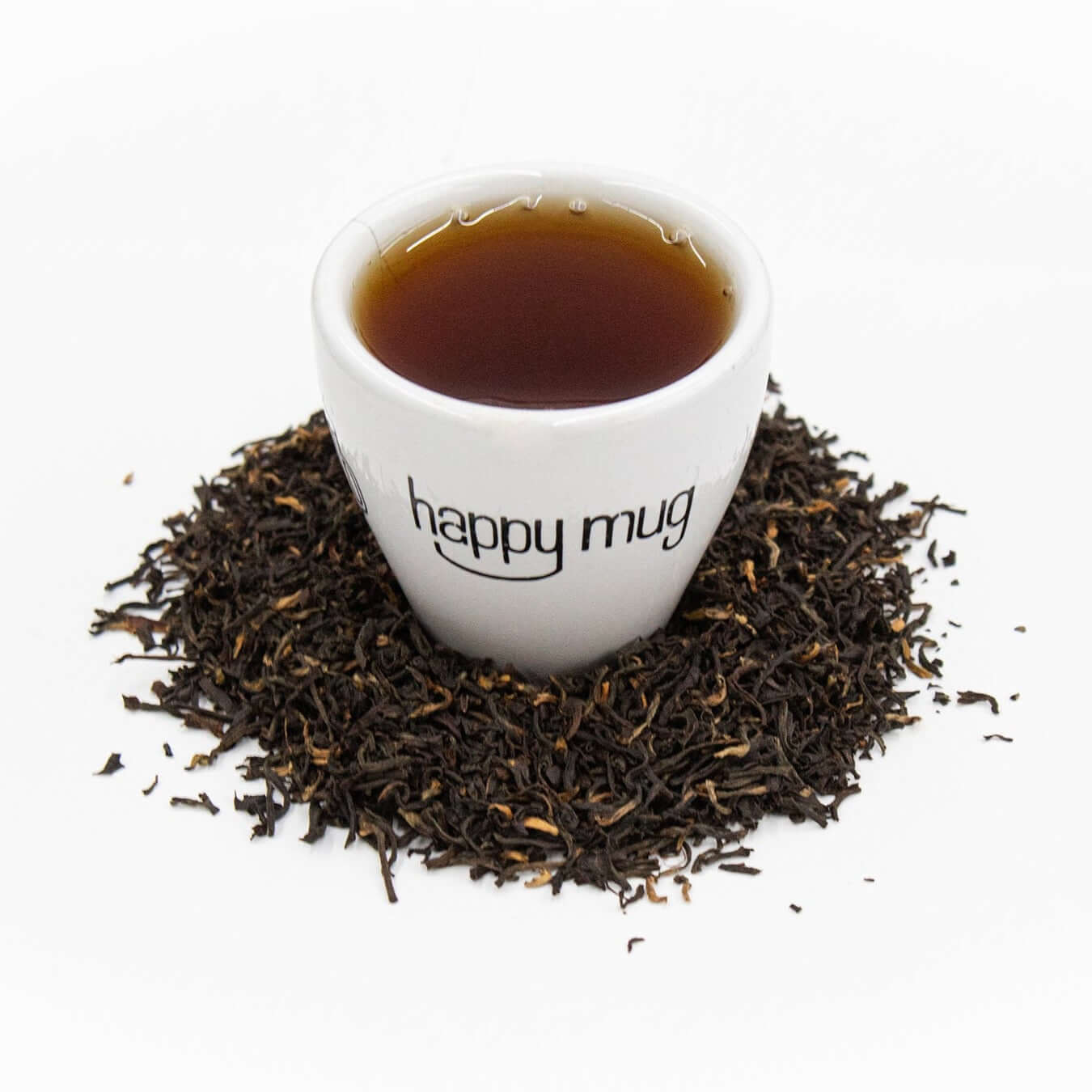
You can replicate all of this at home. The single biggest upgrade you can make is switching to a high-quality, freshly packed CTC tea. Chaiolic’s Assam Kadak Chai uses premium CTC leaves sourced directly from Assam tea gardens — specifically chosen for their bold, strong character. Every batch is packed fresh, so you get the full strength and aroma that stale supermarket tea simply cannot deliver.
What is your secret to perfect kadak chai? Do you have a technique that your family has used for generations? Share it in the comments — we love hearing from fellow chai obsessives.